Managing paperwork requires distinguishing between documents needed during an active task and those that can remain out of sight. By comparing an illustrated workspace concept with a professionally built office, you can evaluate how closed shelves support daily workflows without cluttering your environment.
The Illustrated Workspace Cabinet
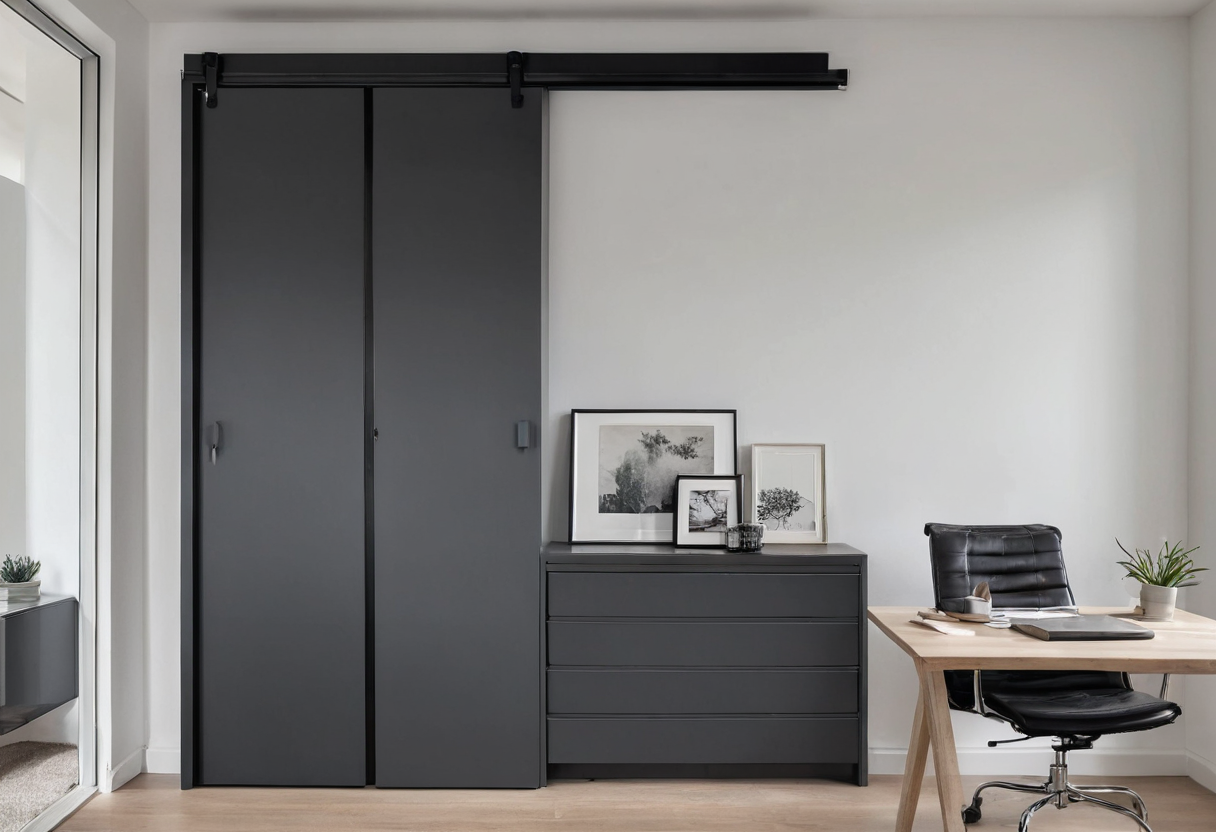
In a published apartment staging example, IKEA features a black GALANT cabinet with sliding doors to organize a workspace. The illustration shows that behind the doors at one end, paperwork, stationery, and a printer are stored alongside magazine files and boxes. The visible open sliding door reveals three shelves holding files, storage boxes, and trays. This setup demonstrates how a single unit can screen equipment and documents when not in use.
The Built-In Office Approach
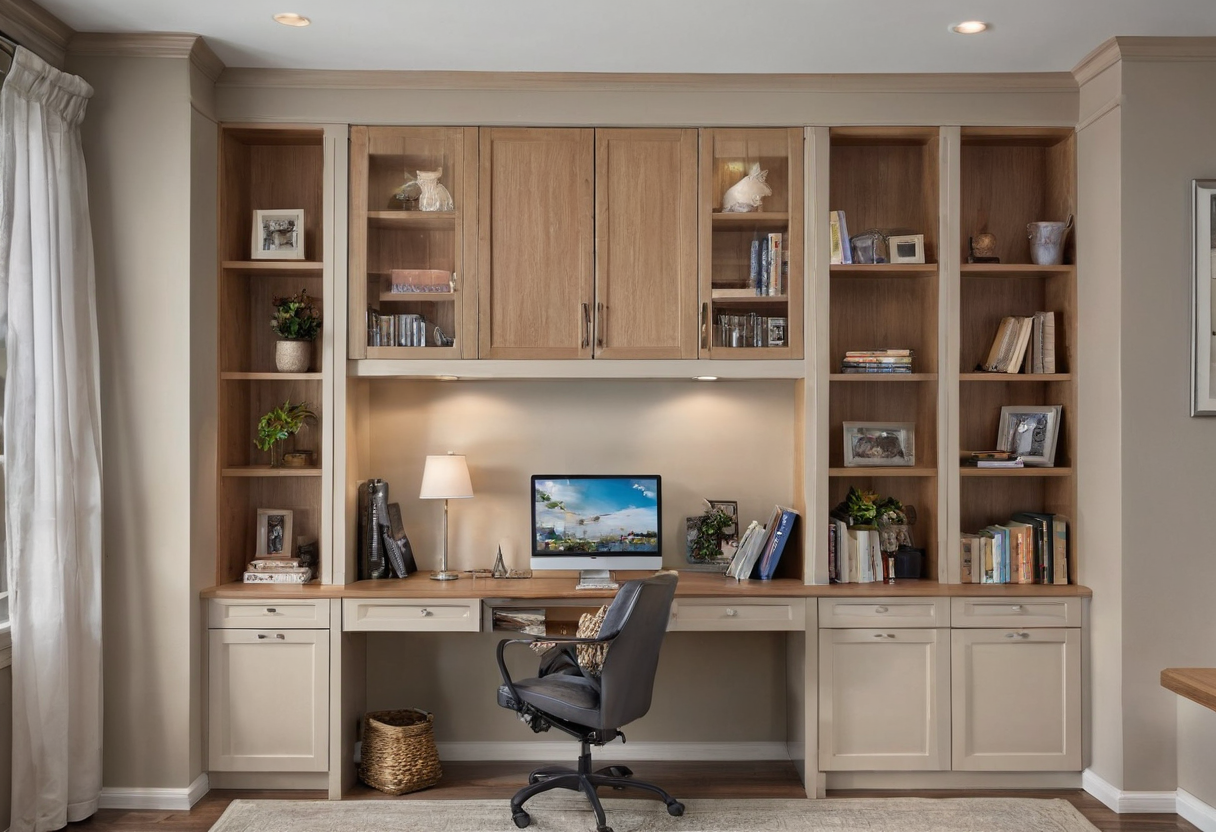
In contrast, HKS Interiors details a bespoke home office in Meads, Eastbourne, where integrated storage contains paperwork, books, and technology. The cabinetry combines closed lower sections with open shelving, positioning the desk near a window and a media wall, though the studio does not specify exactly which contents occupy each area.
Making Your Storage Decision
To apply these concepts, identify which papers you need directly on your desk during active work versus those that can sit behind a door. If you occasionally shift your workspace, consider assembling a portable subset as outlined in our dining table work kit guide. Evaluate whether the movement of a sliding door or drawer conflicts with your seating position and desk footprint. Additionally, ensure that any printer access remains feasible with the cabinet door open. If your storage sits within your camera frame during remote meetings, reviewing our video call backdrop tips can help maintain a tidy appearance.
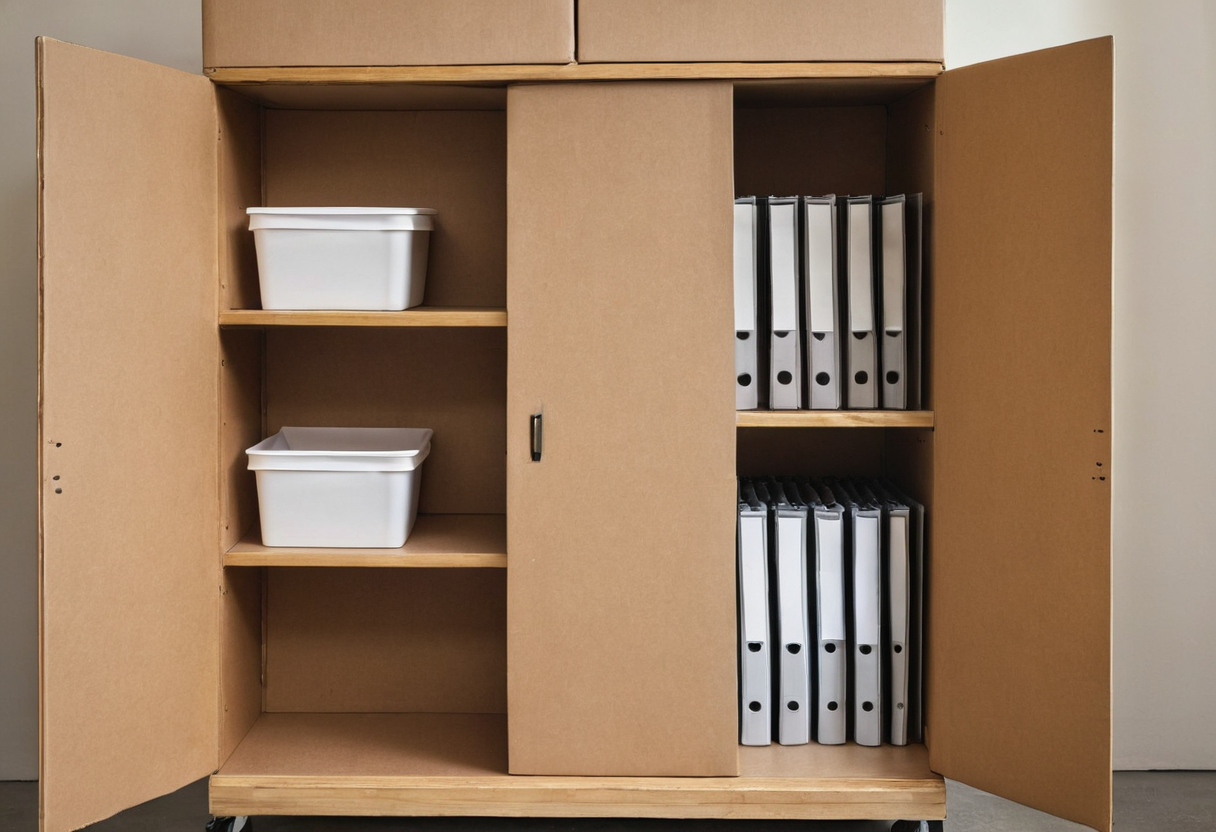
Ultimately, deciding between a sliding cabinet that screens files and a mixed built-in wall depends on your physical space and how frequently you access your documents.