Active Position Versus Parking Spot
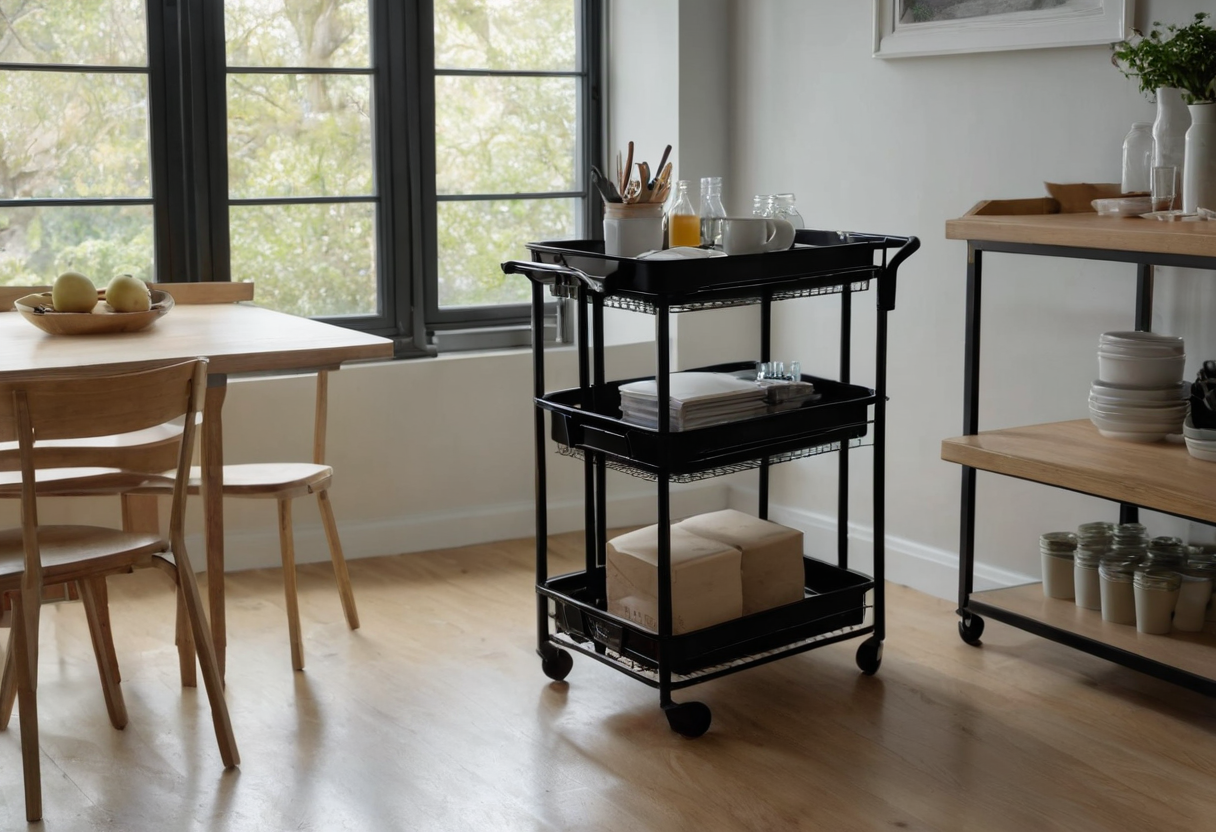
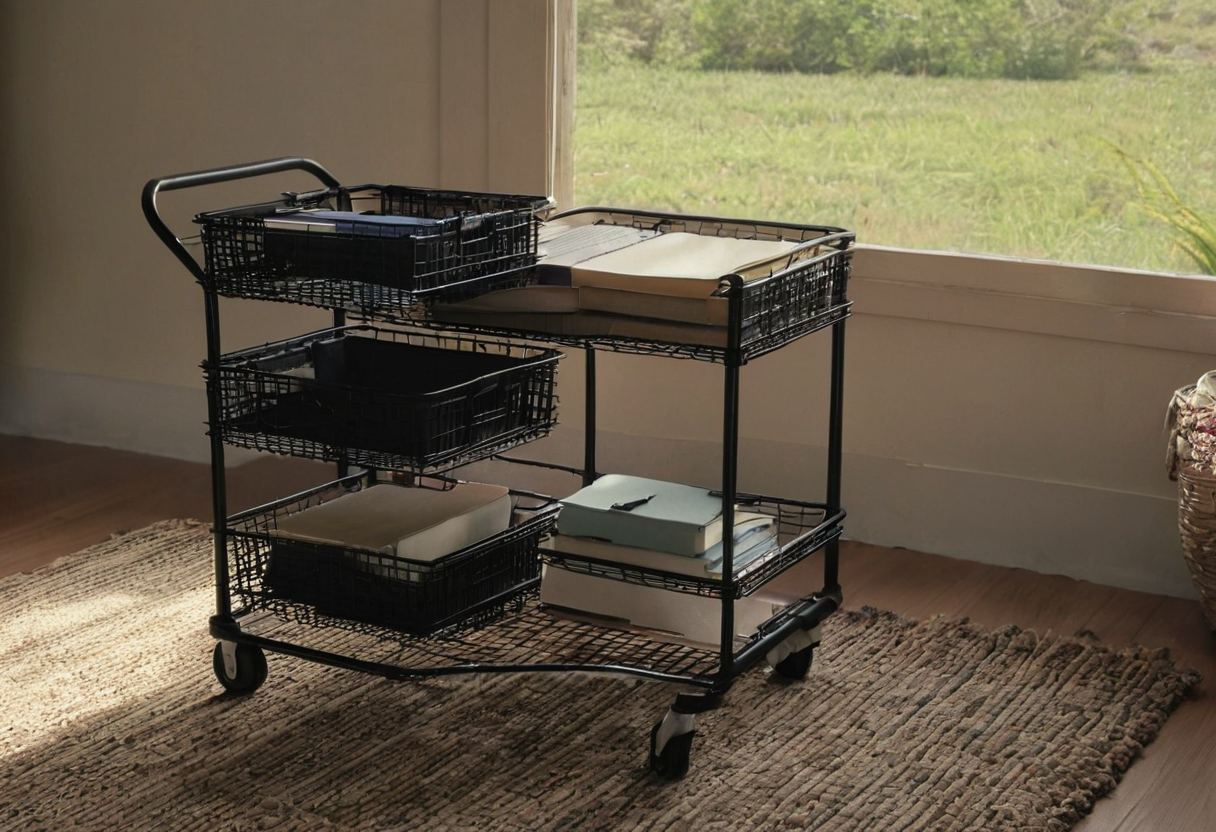
A rolling cart serves a specific role in an independent home workspace: holding frequently used tools adjacent to a temporary desk. This active position differs from the parking spot where the cart rests when the room reverts to dining or living use. Mark both locations on your floor plan and verify an unobstructed rolling path between them before committing to this setup. For broader context on organizing a temporary desk, review our guide to the dining table work kit.
Checking Dimensions and Load Guidance
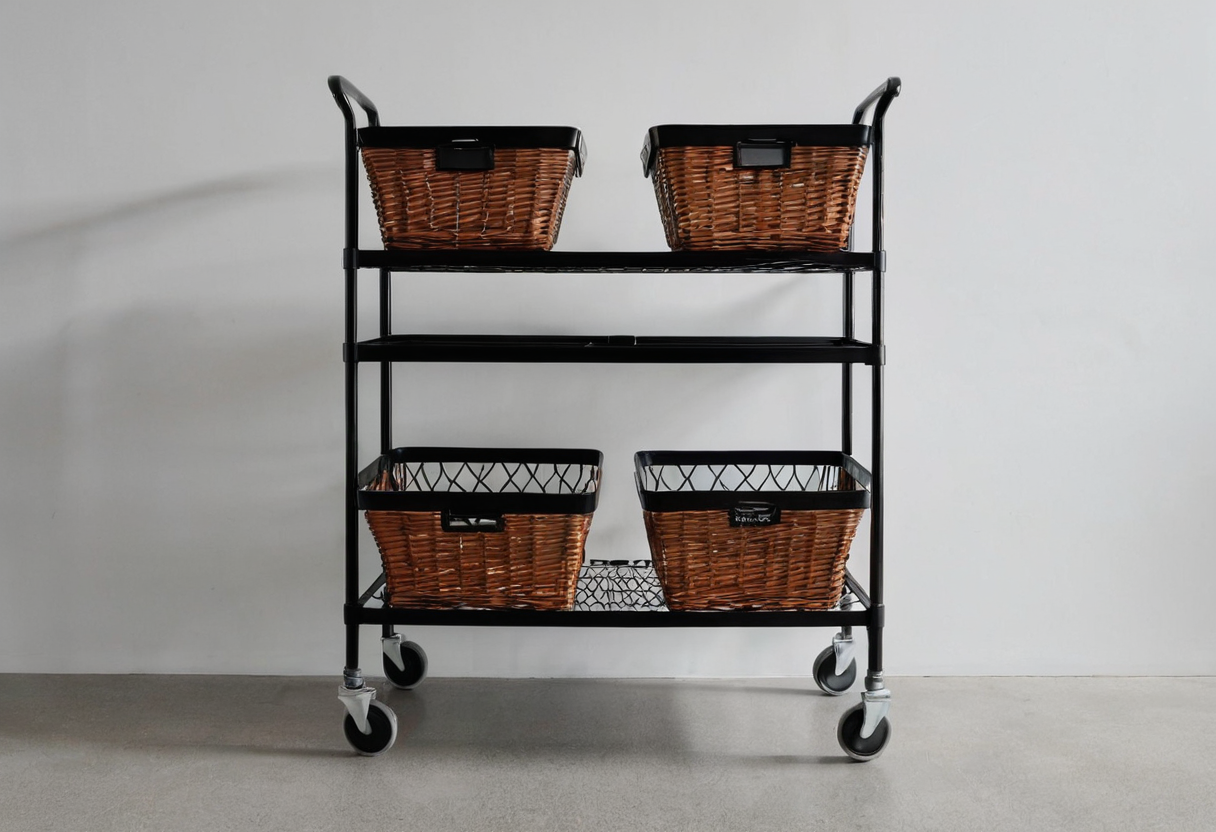
Cart dimensions vary by manufacturer. As a specific model fact, the IKEA RÅSKOG utility cart (model 405.821.81) measures 13 3/4 inches in length, 17 3/4 inches in width, and 30 3/8 inches in height. It features lockable castors, a 13-pound load limit per tier, and a 40-pound maximum total load. These measurements apply only to this model, not every rolling cart. Check the exact exterior footprint of your chosen cart against your marked spots. Verify that your supplies sit comfortably within the trays without exceeding the manufacturer's stated limits.
Cart Versus Fixed Shelf
A rolling cart is an alternative to a fixed shelf for mobile, daily-use tools. For items that stay put, review our closed shelf papers overview.
Wires and Plugged Devices
Handle wires separately from the cart's movement. Placement depends on the device's footprint, weight, and required clearance, as noted in our printer paper tray guidance. Confirm your equipment stays within the weight limits before moving it.
A Staged Workspace Scene
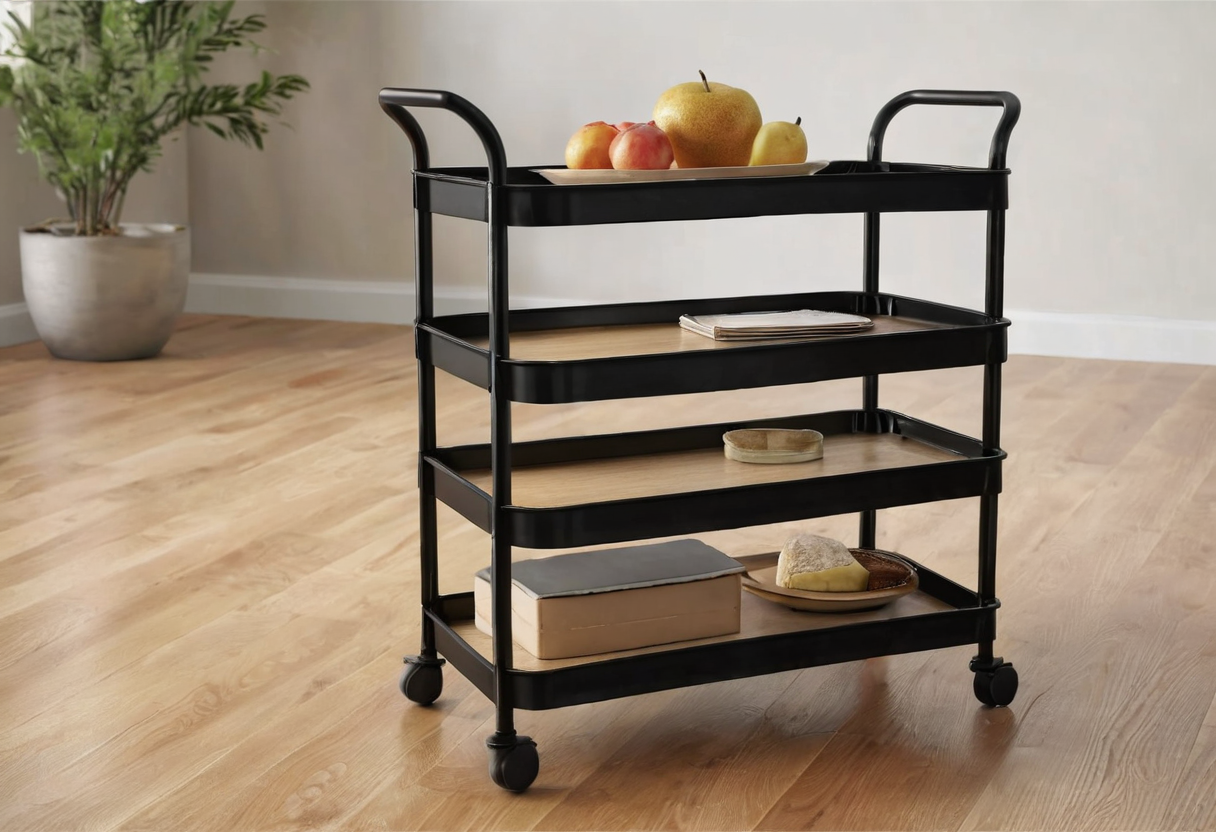
An IKEA 2021 press kit depicted a staged breakfast-table-to-conference-call workspace featuring a RÅSKOG trolley wheeled beside a table alongside a wall-mounted task lamp and a rail with containers.